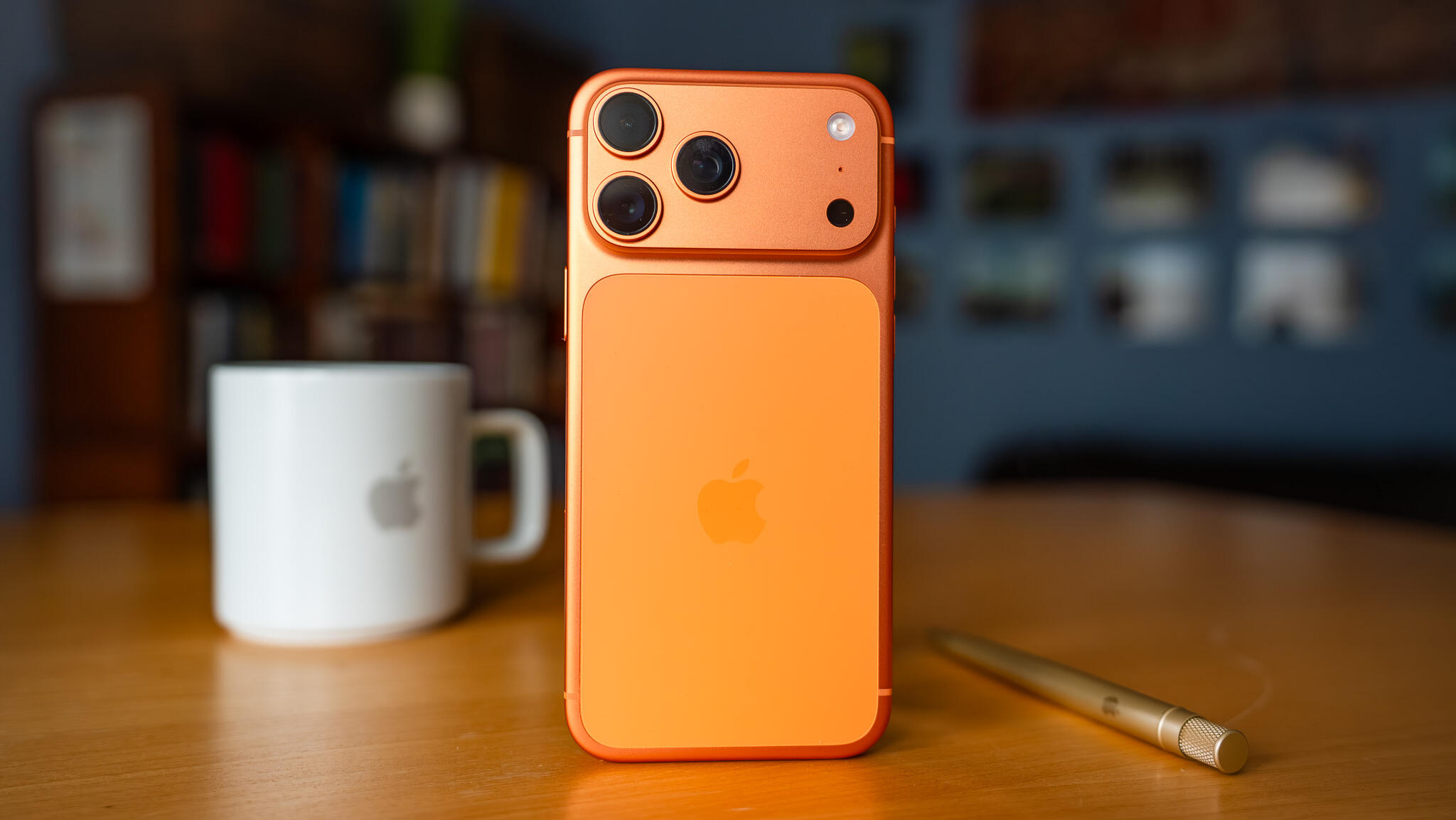
In the latter half of 2025, Apple Inc. reasserted its dominance in the global smartphone market with the launch of the iPhone 17 series. Following a period of fluctuating demand and intensified competition from domestic rivals in China, the iPhone 17 lineup has triggered what analysts are now calling a “super cycle” of upgrades. The series has defied economic headwinds, posting a 14% increase in initial sales compared to its predecessor and capturing a commanding 25% market share in China during the critical holiday shopping window. This report details the key performance indicators, regional market shifts, and technological catalysts that drove Apple’s resurgence in Q3 and Q4 2025.
The Super Cycle Returns: A Comprehensive Analysis of iPhone 17 Sales Performance (Q3/Q4 2025)
1. The Launch Phase: Strong Initial Demand
The release of the iPhone 17 series in late September 2025 marked a pivotal moment for Apple’s hardware division. Industry skepticism regarding the maturity of the smartphone market was quickly dispelled by robust initial sales data.
Double-Digit Growth
According to data from Counterpoint Research and other market trackers, the iPhone 17 series outsold the iPhone 16 series by 14% during its first 10 days of availability in key markets, specifically the United States and China. This figure is significant because it represents not just a stabilization of sales, but a return to genuine growth. The 14% figure contradicts earlier bearish predictions that suggested a plateau in premium smartphone adoption.
The “Upgrade Wall”
A major contributing factor to this initial surge was the accumulated demand from users holding onto older devices. Data suggests that a significant portion of buyers in the first two weeks were upgrading from the iPhone 13 and iPhone 14 generations. These users, having held their devices for three to four years, encountered a compelling “upgrade wall” where the combination of battery degradation in their old devices and the substantial leap in performance offered by the iPhone 17 made the switch inevitable.
2. The US Market: Pro Max Dominance and Carrier Strategy
In the United States, the sales mix heavily favored the top-tier iPhone 17 Pro Max, signaling a decisive shift toward “premiumization” where consumers increasingly opt for the most expensive model available.
Carrier Subsidies as a Catalyst
The popularity of the Pro Max in the US was not merely a result of consumer preference but was engineered through aggressive carrier strategies. Major US telecom providers (Verizon, T-Mobile, and AT&T) engaged in a fierce battle for market share, increasing their device subsidies by an average of $100 compared to the previous year.
-
The Strategy: Carriers utilized the high desirability of the iPhone 17 Pro Max to lock customers into high-value, long-term 5G plans (often 36-month contracts).
-
The Impact: The effective price of the Pro Max for many consumers was negligible when trading in a relatively recent device, making the jump to the flagship model a “no-brainer” for millions of American households.
Screen Real Estate
The iPhone 17 Pro Max featured a larger 6.9-inch display, a slight but noticeable increase from the 6.7-inch standard of previous years. In the US market, where media consumption and mobile gaming are primary use cases, this increase in screen real estate was a primary selling point. The 6.9-inch panel allowed for a more immersive experience, further differentiating the “Max” model from the standard Pro and the base iPhone 17.
3. The China Resurgence: A Historic Comeback
Perhaps the most shocking development of Q4 2025 was Apple’s performance in China. Facing a patriotic wave of support for Huawei and a fiercely competitive Android ecosystem, Apple managed to claw back significant ground.
25% Market Share
By October and November 2025, Apple had secured a 25% market share in China. This is a staggering figure for a foreign brand in a market dominated by domestic giants like Xiaomi, Vivo, and Huawei. This resurgence was driven by a combination of strategic pricing and the failure of competitors to launch compelling alternatives in the same window.
8 Million Units Sold
Reports indicate that by early November, the iPhone 17 series had already sold over 8 million units in China alone. This volume effectively silenced concerns about a “China ban” mentality affecting Apple sales.
-
The “Base” Model Hero: Unlike the US, where the Pro Max reigned supreme, China saw incredible uptake of the standard iPhone 17 and iPhone 17 Plus. Chinese consumers, known for being price-sensitive yet brand-conscious, responded positively to the base models which received the 120Hz ProMotion display for the first time—a feature previously gatekept for the “Pro” models.
-
Singles’ Day Success: During the “Double 11” (Singles’ Day) shopping festival, the iPhone 17 series was consistently among the top-selling items across major e-commerce platforms like JD.com and Tmall.
4. Technological Drivers of Sales
The sales performance of the iPhone 17 series was underpinned by tangible hardware upgrades that resonated with the average consumer, moving beyond abstract “AI” promises to deliver concrete benefits.
The A19 Pro Chipset
The introduction of the A19 Pro chip was a critical marketing lever. Built on an advanced 2nm process (or an enhanced 3nm node depending on the specific manufacturing partner reports), the A19 Pro offered a massive leap in power efficiency.
-
Gaming: Apple marketed the chip’s ray-tracing capabilities heavily, appealing to the mobile gaming demographic.
-
Battery Life: The efficiency of the new chipset, combined with slightly larger batteries, allowed Apple to claim “all-day battery life” even with the larger 6.9-inch screens running at high refresh rates.
Thermal Management
One of the frequent criticisms of the iPhone 15 and 16 Pro models was overheating during intensive tasks. The iPhone 17 Pro Max introduced a new vapor chamber cooling system. This “invisible” upgrade proved to be a major driver for word-of-mouth sales. Early adopters reported that the phone remained cool during fast charging and gaming, resolving a major pain point and building consumer trust.
The 6.9-Inch Display
As mentioned, the move to a 6.9-inch display for the Pro Max was a decisive factor. It created a clear visual distinction between the 17 Pro and the 17 Pro Max. In previous years, the difference was mostly battery and screen size; in 2025, the 6.9-inch screen felt like a different class of device, more akin to a small tablet, which justified the higher price point for productivity-focused users.
5. Model Breakdown: Winners and Losers
Not every model in the lineup performed equally. The sales data reveals a clear hierarchy in consumer preference.
The Winner: iPhone 17 Pro Max
The undisputed king of the Q4 sales charts. In the US, it accounted for nearly 40% of the total mix in the first month. The combination of status symbol, maximum screen size, and best battery life made it the default choice for upgrade-eligible customers.
The Surprise: iPhone 17 (Base)
The standard iPhone 17 performed exceptionally well in international markets, particularly China and Europe. The inclusion of high-refresh-rate screens (120Hz) on the non-Pro models finally brought feature parity with mid-range Android phones, removing the biggest argument against buying the “cheaper” iPhone.
The Loser: iPhone 17 “Air” / Slim
Reports indicate that the rumored “Slim” or “Air” model, which prioritized a thin design over battery life and thermal performance, saw tepid demand. Users, particularly in China and the US, voted with their wallets for functionality (battery, screen size) over form. Production cuts for this specific model were reported as early as November 2025, with supply chain orders shifting capacity back to the Pro Max.
6. Financial Implications and Q4 Projections
The strong unit sales translated directly into a robust financial outlook for Apple’s December quarter (Q1 Fiscal 2026).
Record-Breaking Revenue
With the Pro Max driving the product mix, the Average Selling Price (ASP) of the iPhone reached new heights, likely exceeding $1,000 globally. This shift allowed Apple to project record-breaking revenue for the holiday quarter, even if total unit volume growth was modest in some regions. The revenue story was one of quality over quantity—selling richer, more expensive mixes of devices.
Service Ecosystem Growth
The influx of 8 million new active devices in China and millions more in the US also bolstered Apple’s Services revenue. New device activations typically correlate with spikes in iCloud subscriptions, AppleCare+ attachments, and App Store transactions. The strong hardware sales in Q3/Q4 2025 laid the foundation for sustained Services growth throughout 2026.
7. Competitive Landscape
Apple’s success in Q4 2025 did not happen in a vacuum; it occurred despite fierce competition.
-
Vs. Huawei: While Huawei’s Mate series continued to sell well in China, production bottlenecks and the maturity of its ecosystem outside of China limited its ability to blunt the iPhone 17’s momentum. The iPhone 17’s price stability and available stock at launch gave it a logistical edge.
-
Vs. Samsung: Samsung’s foldable devices held their niche, but the traditional “slab” smartphone market saw Apple cannibalize some of Samsung’s high-end share, particularly in Europe, where the iPhone 17 Pro Max was seen as a more robust premium offering compared to the aging Galaxy S25 Ultra (prior to the S26 launch).
Conclusion
The sales performance of the iPhone 17 series in Q3 and Q4 2025 represents a textbook execution of Apple’s “tick-tock” strategy. By addressing key user complaints (thermals, base model refresh rates) and pushing the boundaries of premium hardware (6.9-inch screen, A19 Pro), Apple successfully triggered a massive upgrade cycle.
The 14% initial sales growth, the dominance of the Pro Max, and the 25% market share in China serve as undeniable proof that the demand for premium smartphones remains elastic. As 2025 closes, Apple has not only stabilized its position but has aggressively expanded its footprint, setting the stage for a record-breaking fiscal year in 2026. The iPhone 17 series will likely be remembered as the lineup that proved the “super cycle” is still a potent force in consumer electronics.
About the Author